Primary
CloseHow can we stay politically active in unprecedented times? Primary is a local election app that helps communities understand the voting process with clarity and confidence.
Overview
In my neighborhood of Brooklyn, I noticed an increase in interest for the 2025 Mayoral election among young people, so I started to wonder what the campaign process looks like in other communities.
How do people connect on local issues? Why is election coverage limited for local races?? How can we stay politically active on a smaller scale that impacts the big stuff???
Solution
For my MPS capstone project, I let my interest in politics guide the premise. From problem discovery to developing high-fidelity mockups, I created an app, Primary, to uplift local elections so voting feels like an unhurried choice rather than an overwhelming chore.
Problem
There is a disconnect between potential voters and voter turnout rates for local elections due to abandoned opportunities to spotlight local races.
Research Questions
- How do people connect on local issues?
- How do people prepare for upcoming elections?
- How can we help people find the most helpful and important voter information?
- How can we get more people involved with their local government through education, awareness, and action?
User Interviews
Alex
Manager at a non-profit, community organizer, and worked on campaigns.

"Having clarity of who is currently running for office and the current issues being worked on, would help me understand how I can be more active."
Insight
People want to understand the structure behind their local government, so that they can be informed of the effects it has on their community.
How Might We
Find a way to connect people to their representatives and stay up to date with current issues?
David
College student, first-time voter, and just moved to a city.

"I want to be more involved in local politics, but I don't know where to start. A lot of websites are confusing and outdated."
Insight
People want to be engaged with what is happening in their community, but current platforms make it difficult.
How Might We
Create a user-friendly platform that makes local election information more accessible and engaging for voters?
Ken
Retired government employee, poll volunteer, and consistent voter.

"I try to stay on top of upcoming elections, but some are not advertised at all. Dedicating the time to search through multiple sources is taxing and not the best use of my time."
Insight
People want a centralized platform that provides comprehensive information about local elections without overwhelming them.
How Might We
Curate relevant information about local elections in a way that is easy to navigate and understand?
Ideation
Based on the insights from my user interviews, I organized a sketch session to start developing potential features that could be included in the app to address the needs and pain points of voters.
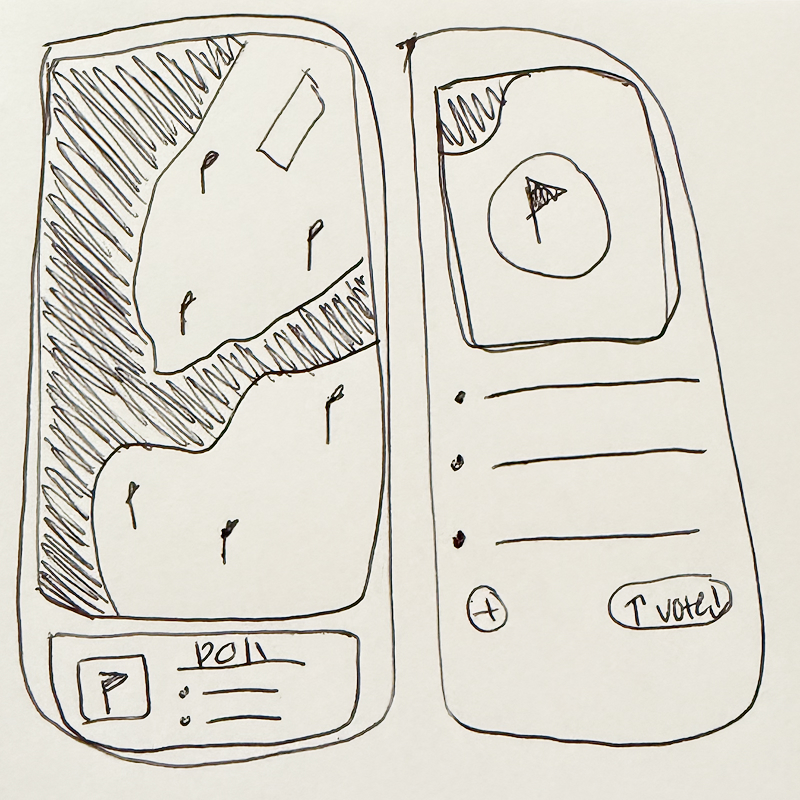
Map of election polling centers
Encourage voter turnout by providing an adjustable map of where people can vote based on their location.
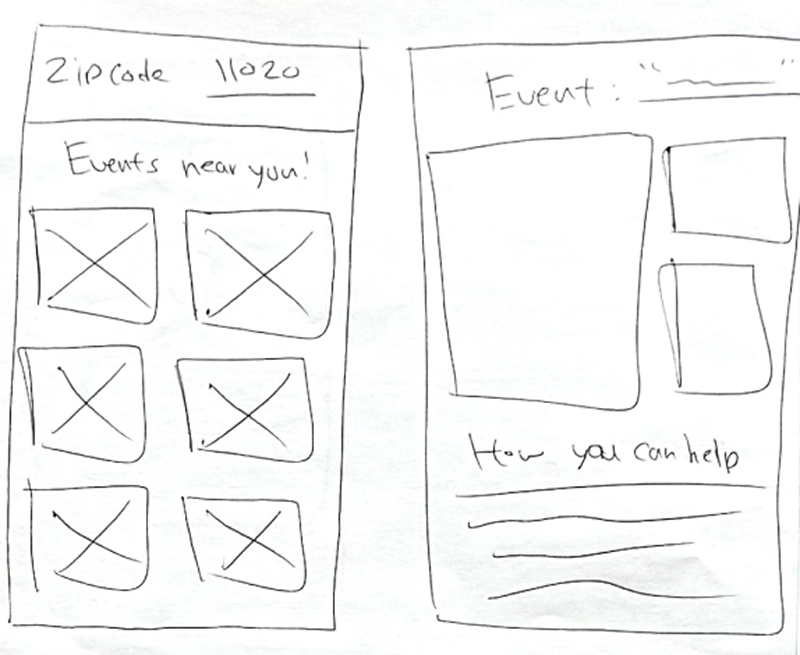
Calendar of upcoming elections and events
Keep up with key dates using a syncable calendar and push notifications.
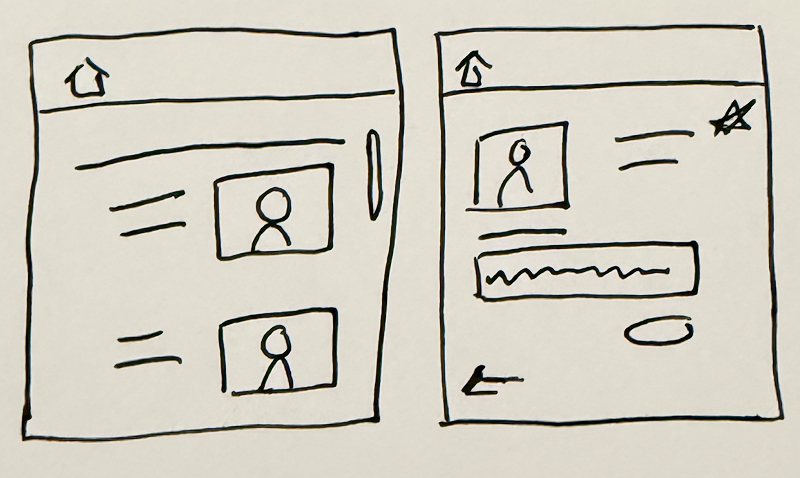
Directory of local representatives and contact information
Access to office information, a short bio, and current initiatives being worked on.
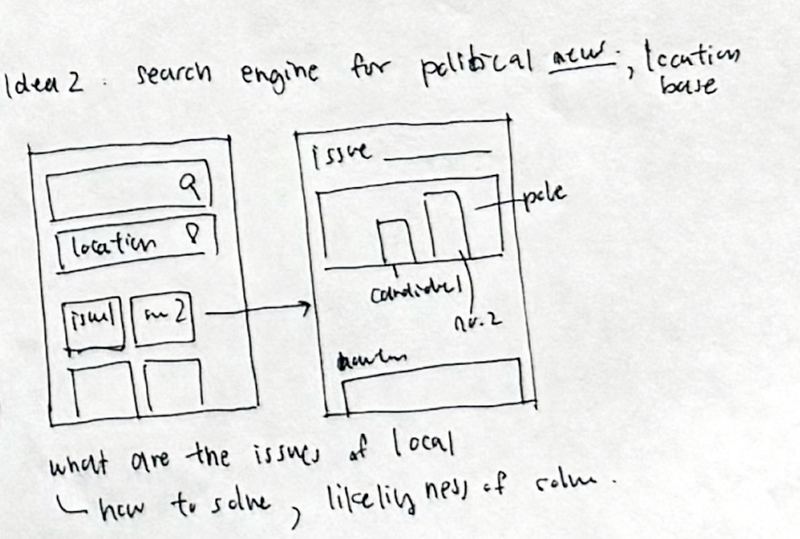
Educational resources about the voting process
One stop for learning about how voting works and frequently asked questions.
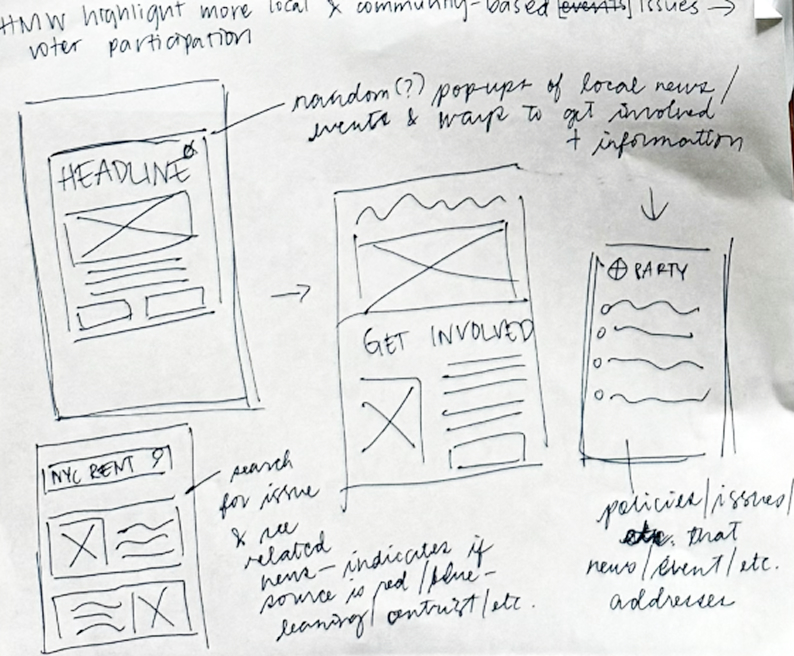
Personalized voter guide based on user preferences and location
Allow people to practice voting ahead of election day to alleviate any stress.
Low Fidelity
Flow 1
Discover Voting
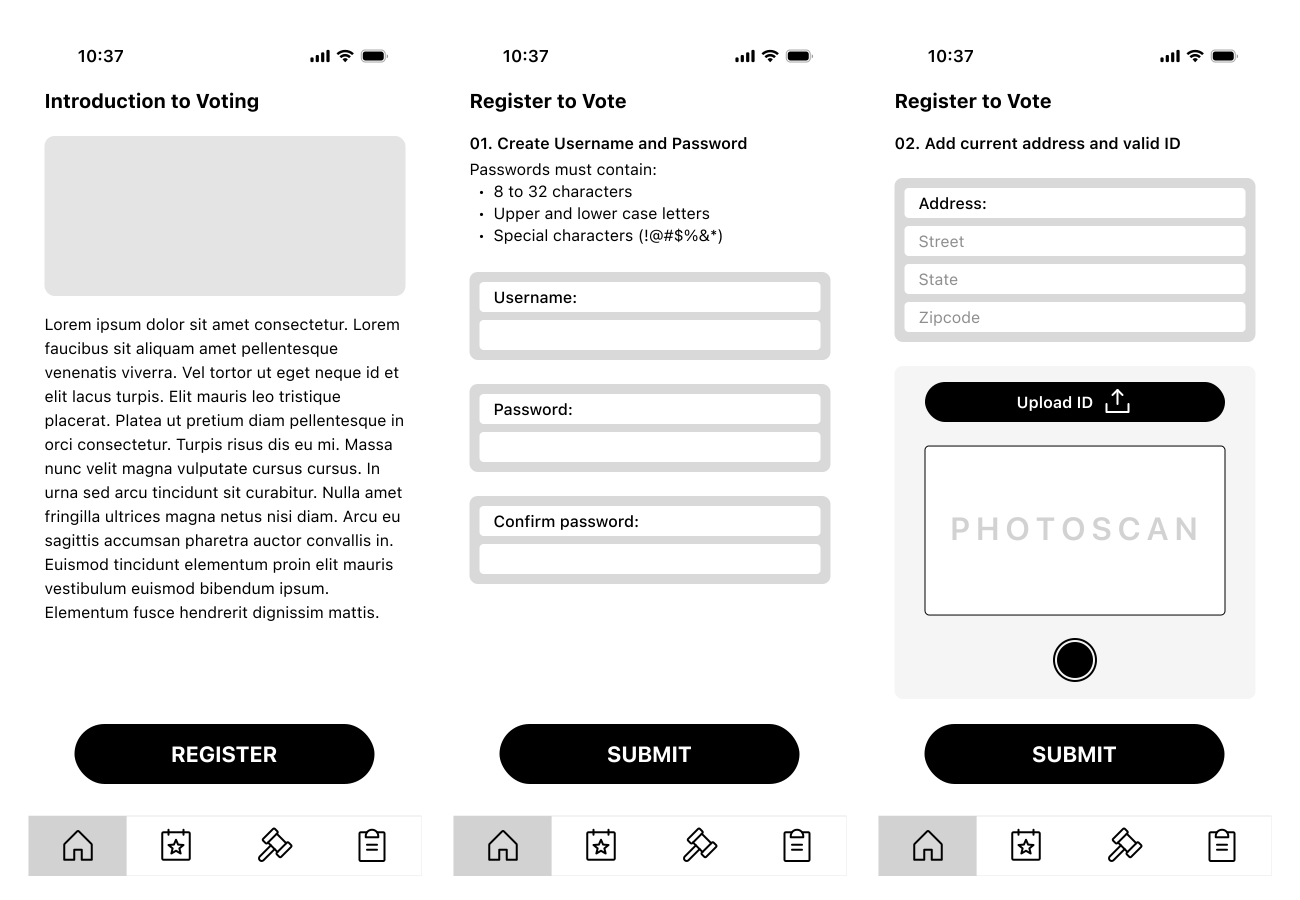
I started with the education component of this project by developing how users could get started and register to vote for upcoming elections.
Flow 2
Key Dates and Representatives
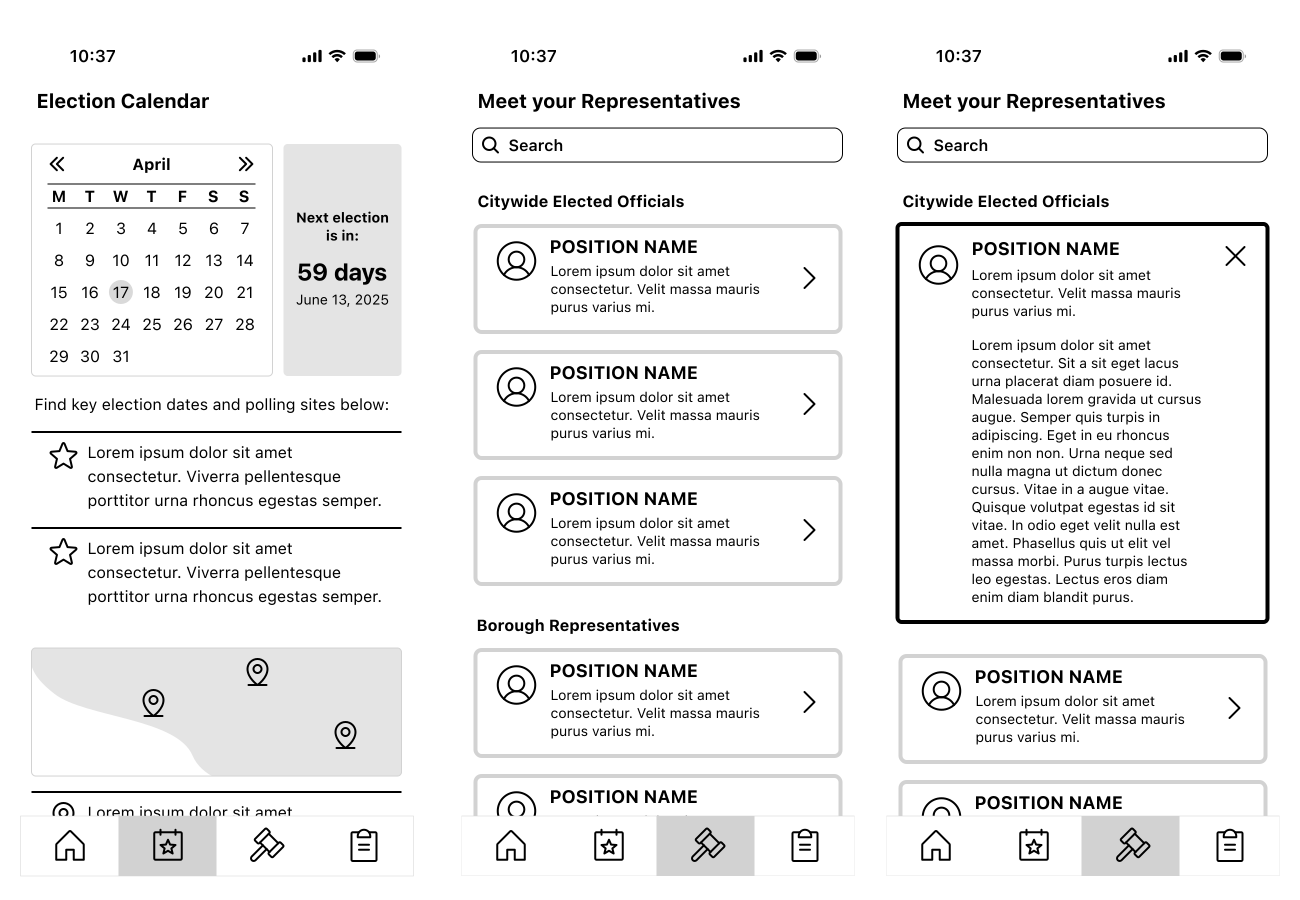
My next step was integrating the awareness component with a calendar section featuring key dates and a polling site map. In addition, a section to search and discover current elected officials, their role, and contact information.
Flow 3
Practice Ballot
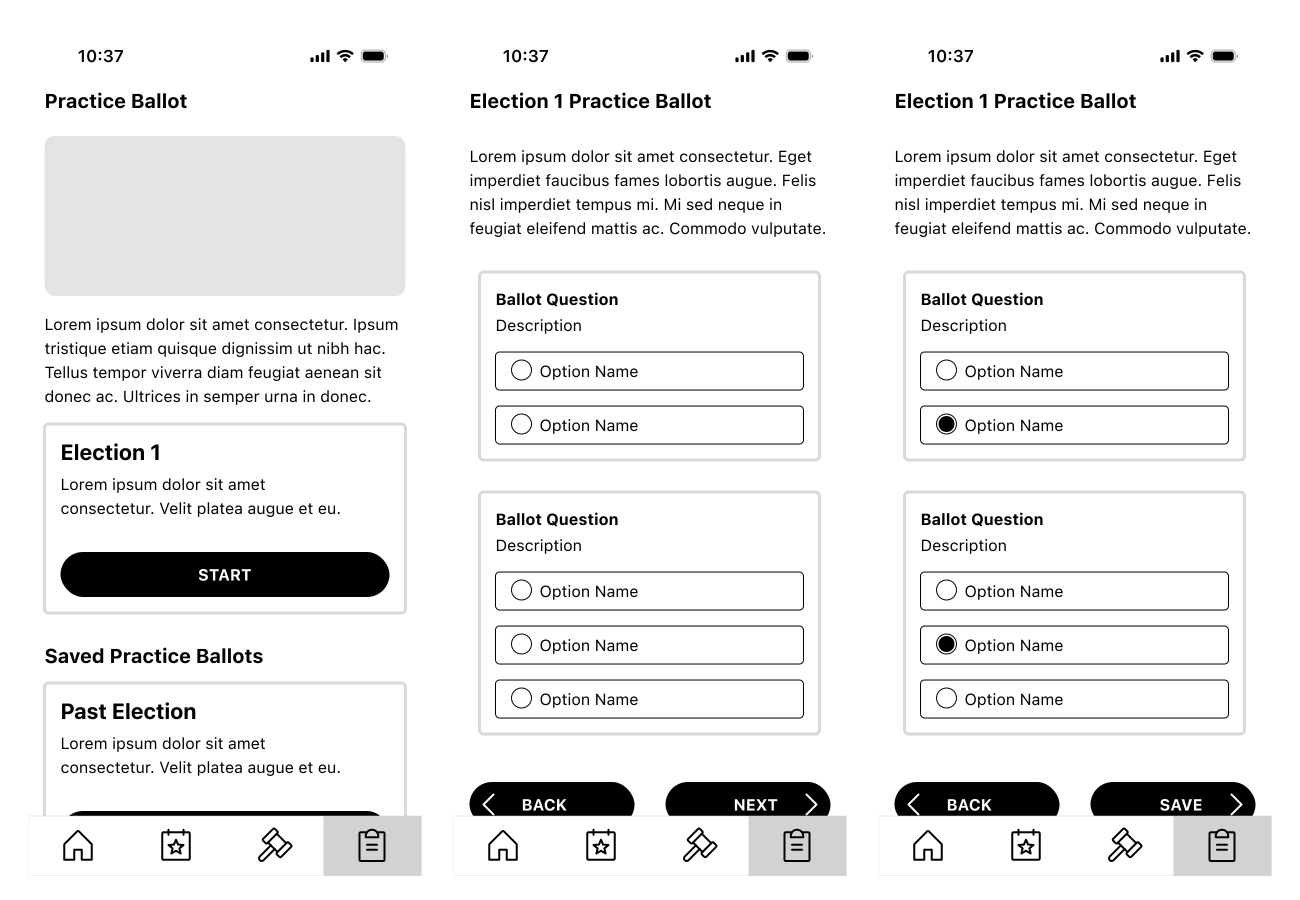
My third step was including an action component to increase voter participation. I created a practice ballot for users to see what would need to be filled out and prepare for their next election.
Testing
I conducted usability testing with five participants to observe how they interacted within each flow and their experience within the app.
Flow 1
Registration and Account Creation
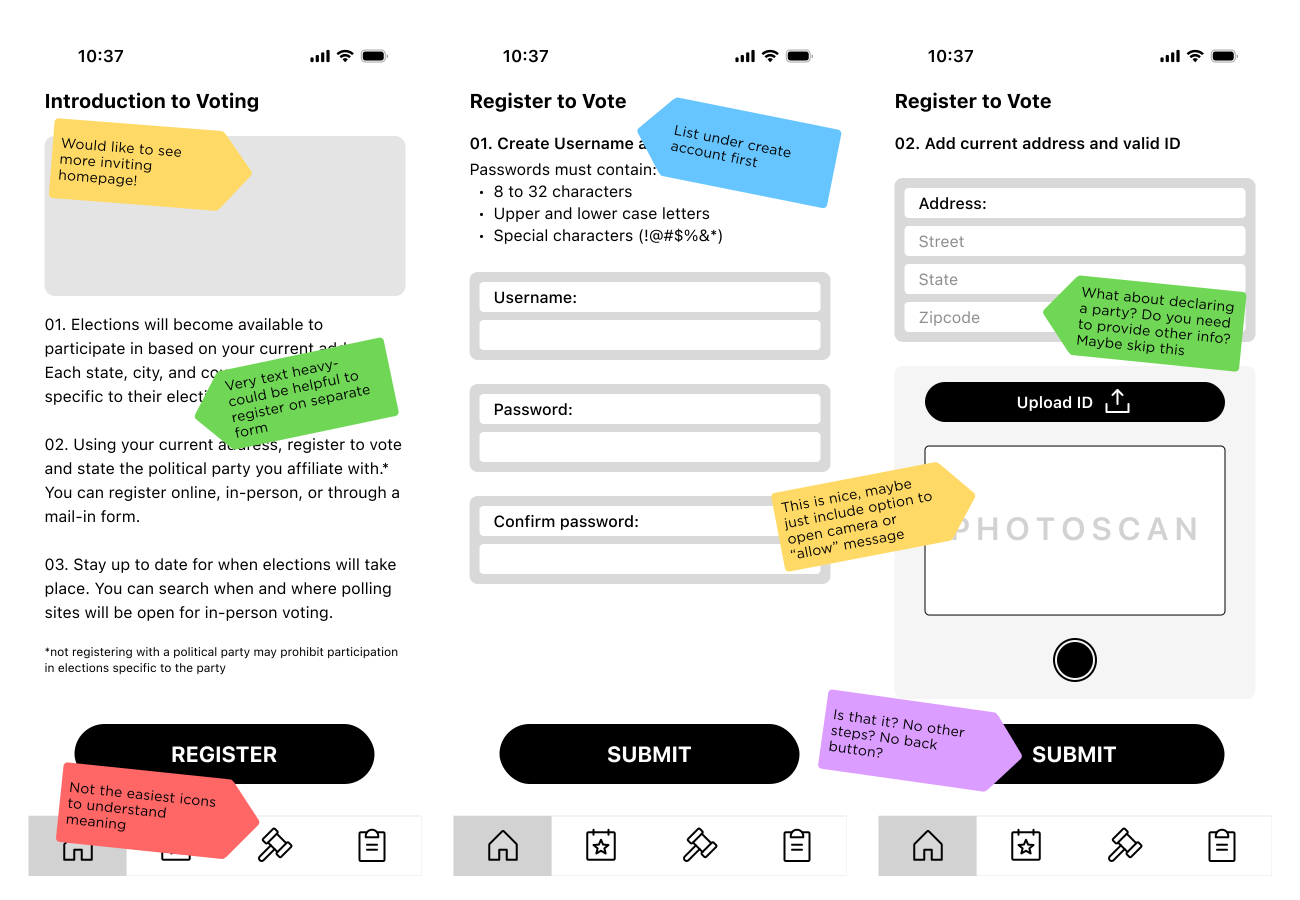
At first, creating an account was linked with registering to vote in an attempt to streamline the process. However, I found users appreciated the ability to skip registrastion to learn more about the app first. This response encouraged me to keep the introduction of Primary brief and build out voter registration as a separate step.
Flow 2
Meet Representatives
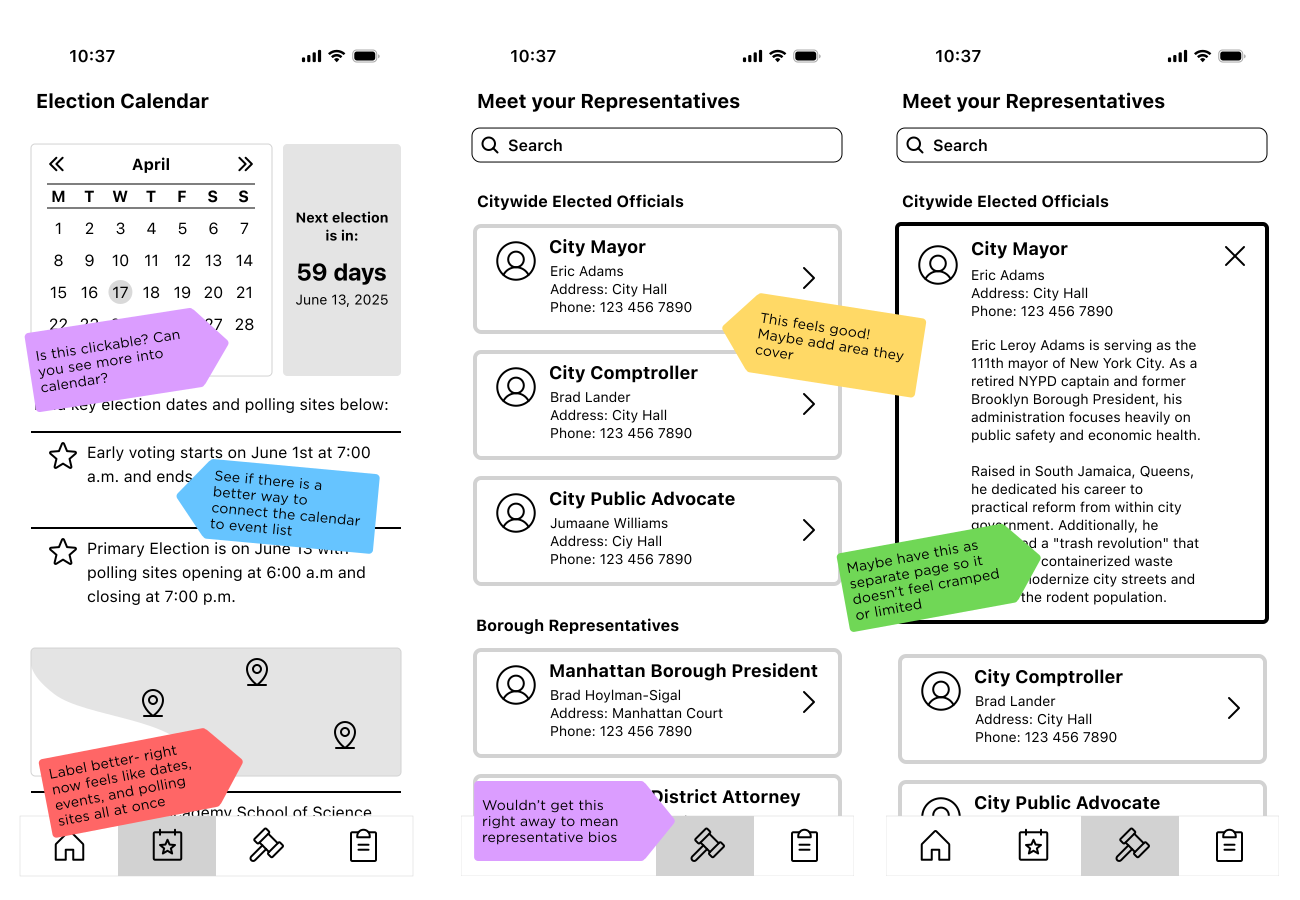
During the testing of my second flow, the testing group gave mostly positive feedback in finding their local representatives. While the current information for government officials was limited for this stage of the process, the users saw and understood how this would be helpful to them, especially with term limit information.
Flow 3
Voting Practice
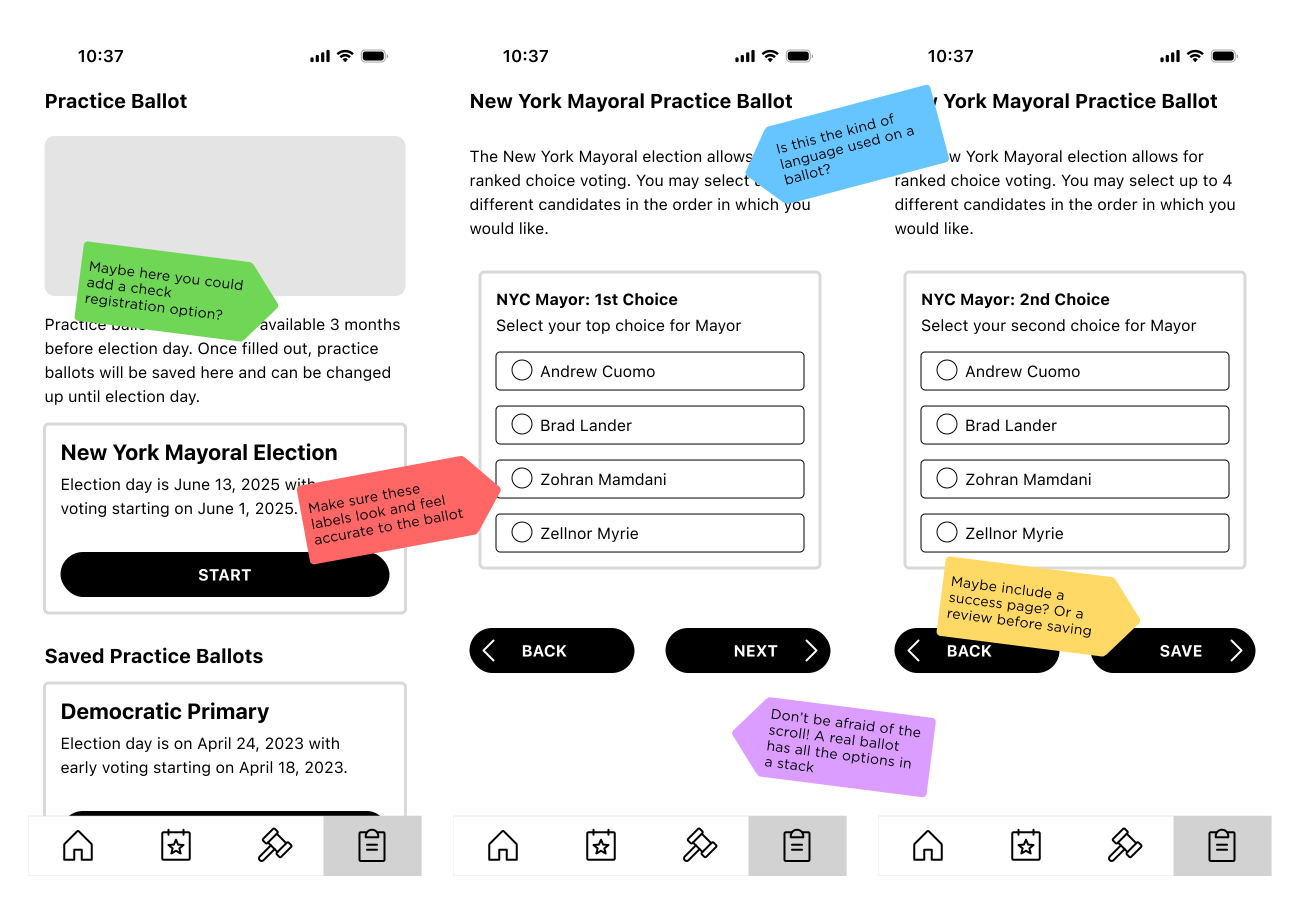
From there, I tested the practice ballot flow to see if it would be useful and improve voter engagement. The testing participants relayed to me that while they may not use the practice ballot for every election, it was good to preview what would be asked on the ballot before election day. The ballot form within a mobile view needed some reworking to keep the overall look similar to what would be seen on a real ballot.
High Fidelity
Personalized Voter Guide
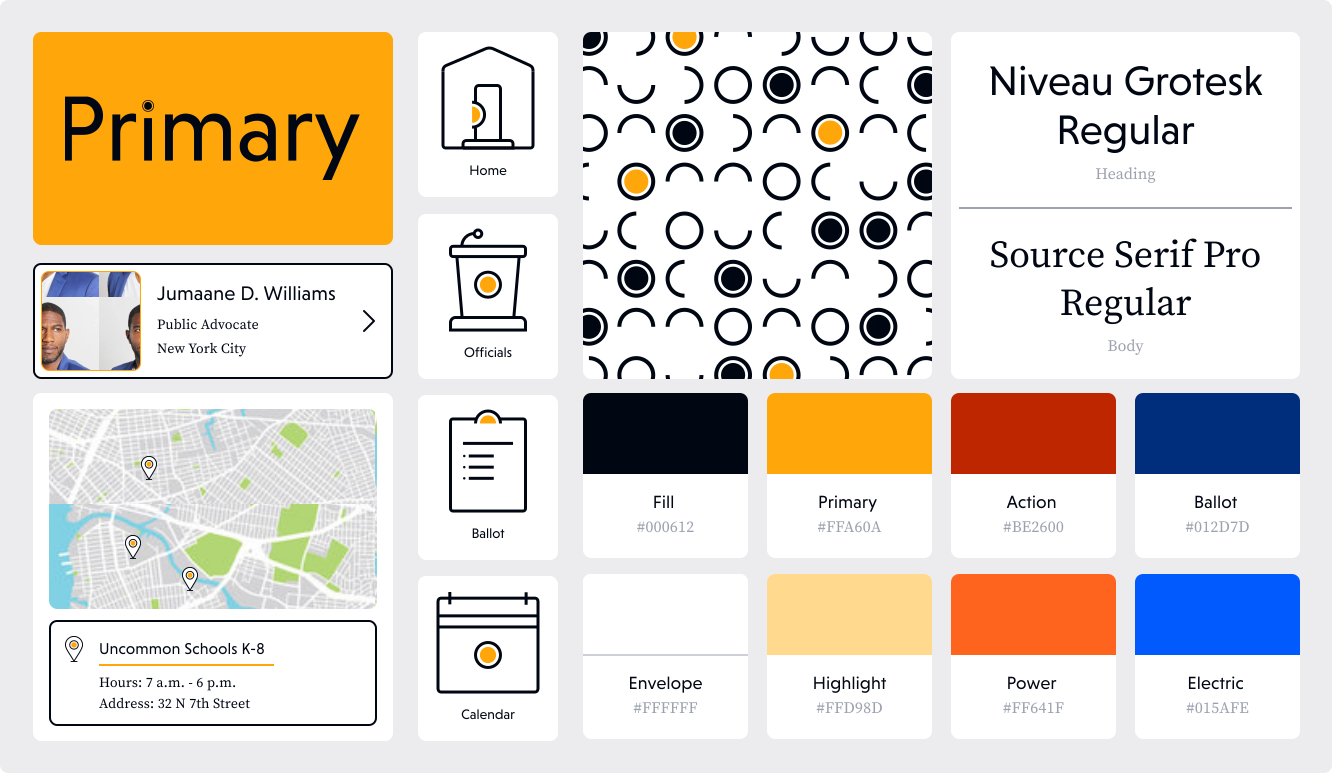
Users can create a personalized voter guide based on their preferences and location, which provides them with relevant information about upcoming elections, candidates, and issues.
Directory of Local Representatives
Users can access a directory of their local representatives, including contact information, biographies, and current initiatives they are working on, to help them stay informed and engaged with their local government.
Practice Ballot
Users can practice voting ahead of election day with a practice ballot that simulates the actual voting experience, allowing them to familiarize themselves with the process and make informed decisions on election day.